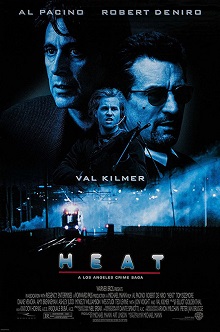
The 30-seconds rule is real. So is the cost of keeping it. Heat is the film about the gap.
Three lessons.
First, professional discipline. McCauley's crew works because each man knows his role, trusts the others, and is ready to walk away. That's the function of the rule. Founders who break the rule — who stay attached to a hire who doesn't perform, a product line that doesn't sell, an investor who doesn't help — extend the loss until it's catastrophic. The rule limits the damage. The discipline isn't to never feel attachment; it's to be honest about what attachment is going to cost when the heat comes.
Second, the cost. McCauley meets Eady and falls in love. He plans to take her with him on the run. The rule says walk out alone. The film's tragedy is that the rule and the wish to share a life pull hard against each other — and McCauley, in the end, holds onto neither cleanly. Founders who treat the rule as universal moral law miss this. The rule is a heuristic for limiting damage when the heat comes; it is not the answer to whether to live a life with people in it. You will eventually break it. The work is to know when, and pay the cost honestly.
Third, the diner scene. The two professionals acknowledge they're the same. Neither asks the other to stop being who he is. The conversation is recognition without conversion. For founders, this is rare and important: the people you're closest to professionally — co-founders, mentors, peers — don't have to share your moral framework to recognize what you carry. The work of recognition is enough. Conversion isn't required.
The "I am alone, I'm not lonely" line is McCauley's lie that costs the most. The empty apartment, the careful detachment, the willingness to walk in 30 seconds — these are postures that hold for some founder seasons and break in others. Founders who treat them as identity rather than tactic eventually find themselves in McCauley's apartment at the end of the film.