Information transfer
- Lead with facts and features
- Argue against objections
- Assume buyer is rational
- Treat 'no' as misunderstanding
- Outcome depends on logic
Pain · also: Prove
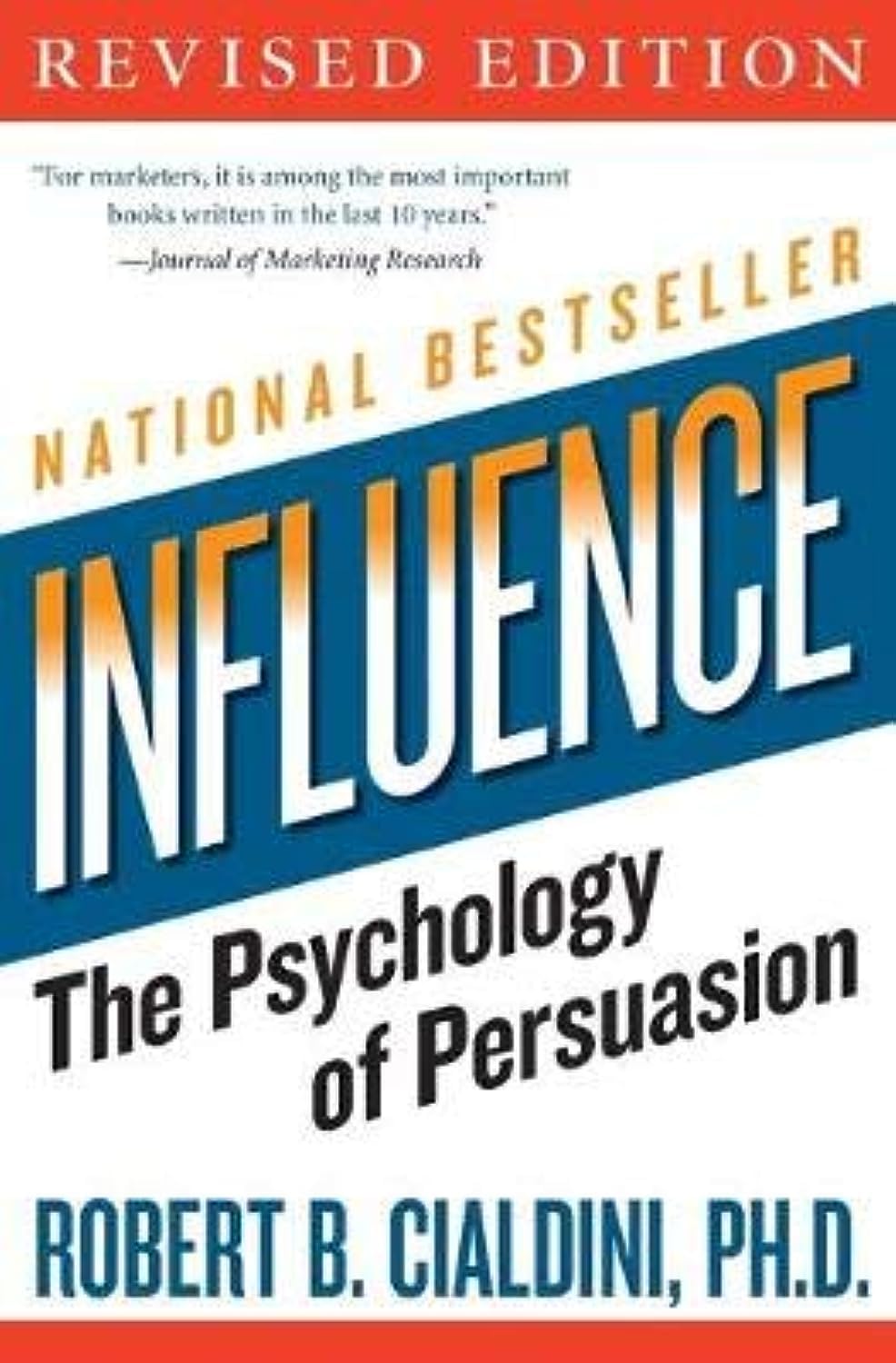
by Robert Cialdini
Source book · ~6h read
Pairing
Influence: The Psychology of Persuasion is paired with the Pain stage — fall in love with the problem, not the solution. It also speaks to Prove.
Working draft
This summary is an early draft, still being checked for accuracy against the source. Treat it as a work in progress — not a verified reference — until this notice is removed.
The argument
Robert Cialdini, after decades of research as both psychologist and undercover compliance professional, identifies six universal principles of influence: reciprocity, commitment / consistency, social proof, authority, liking, and scarcity. These aren't tricks — they're cognitive shortcuts your customers, investors, and team members use automatically. Understanding them is half persuasion; the other half is using them ethically and recognizing when they're being used on you.
At a glance
The hook
Persuasion isn't manipulation. It's the difference between an idea that lands and one that doesn't.
Founders pitch constantly — to investors, customers, hires, co-founders. Most of them treat pitching as information transfer: here are the facts, please update your beliefs. It almost never works that way. People update beliefs based on social proof, authority signals, scarcity cues, and prior commitments — not on the elegance of your slide.
Cialdini's gift is making this visible. Once you see the six principles, you see them everywhere — in the pitches that landed and the ones that didn't, in the customer who said yes when their answer should have been no, in the investor who passed when their answer should have been yes. *For first-time founders, this is how you stop interpreting pitch outcomes as 'they didn't get it' and start engineering pitches that work. The ethical line: use these principles to make true things land, never to make false things stick.*
5 takeaways
01 / 05 — Reciprocity
Use ← → keys, or swipe on mobile
Take the last three pitches you made — to customers, investors, hires, anyone. For each, identify which of the six principles you used (consciously or accidentally) and which you missed.
Reciprocity — did you give value before asking?
Commitment — did you build to a yes through smaller yeses?
Social proof — did you show what others are doing?
Authority — did you establish credibility within the first 60 seconds?
Liking — did you find genuine common ground?
Scarcity — was there an honest reason this offer wouldn't be available later?
Pitches that succeed usually use 3+ principles. Pitches that fail usually use 0–1.
For your next pitch this week, deliberately design which principles you'll use and how. Ethical line: every principle must be honest — never manufacture scarcity, never claim authority you don't have, never engineer fake social proof. Use the principles to make true things land.
Read
4.5/ 5· 13.1K ratings on Amazon
Get Influence: The Psychology of Persuasion on Amazon →Affiliate link
Share